Aluminium Die
What is Aluminium Die
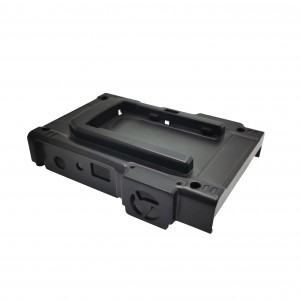
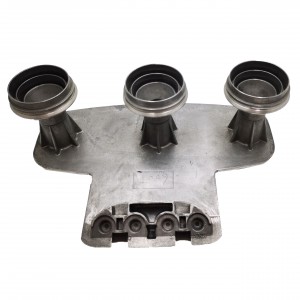
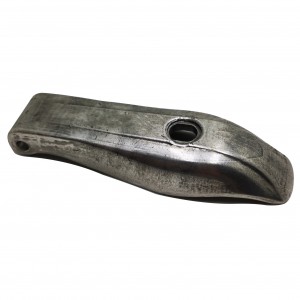
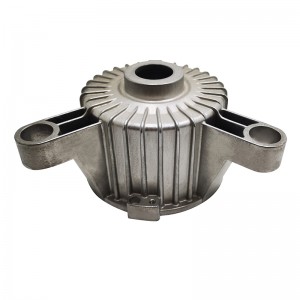
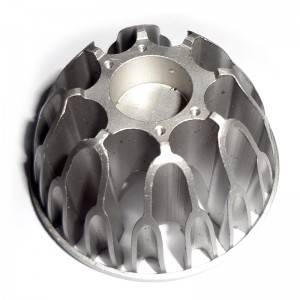
An Aluminium Die is a precision tool used in manufacturing to shape or cut materials, mainly aluminum alloys. It’s essential in die casting, extrusion, and forging processes, offering high thermal conductivity and durability. Aluminium dies enhance production efficiency by providing accurate dimensions and reducing cycle times, meeting customers’ demands for lightweight, cost-effective, and high-quality metal parts.
Advanced Manufacturing Capabilities
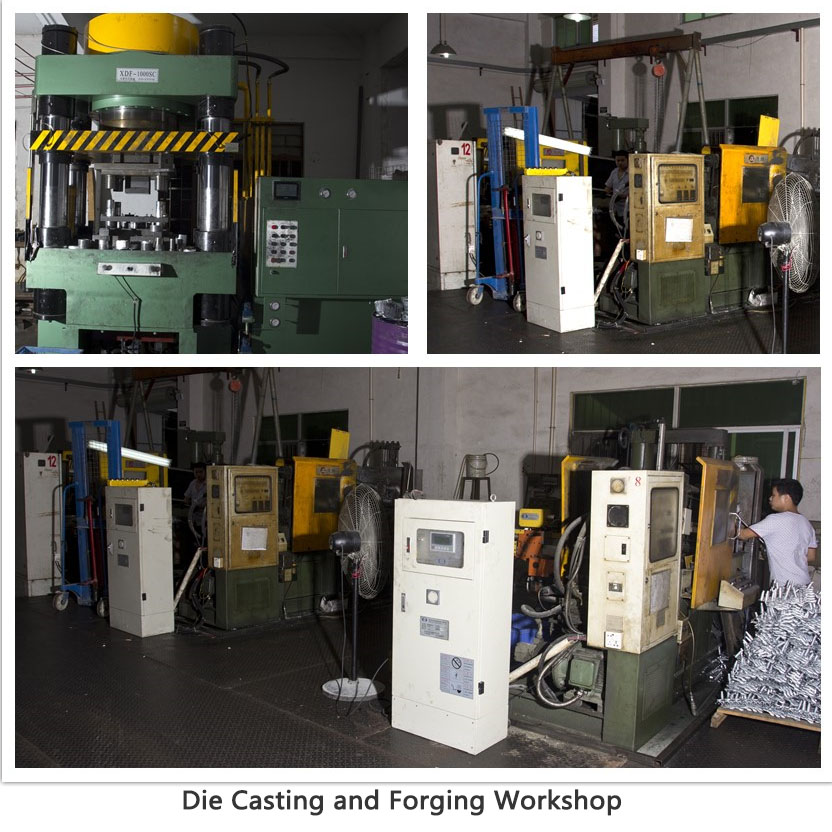
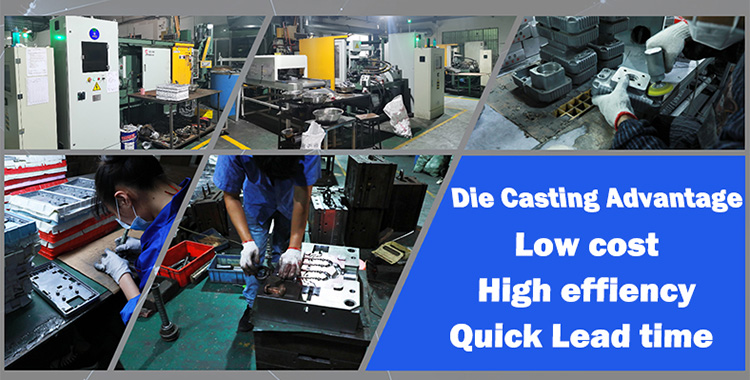
Our state-of-the-art facility in China is equipped with advanced die casting machines, CNC machining centers, and precision inspection tools. We specialize in high-pressure aluminium die casting, producing complex geometries with tight tolerances. Our capabilities include mold design, prototyping, and high-volume production, ensuring flexibility for small and large orders. With automated processes and skilled technicians, we guarantee consistent quality and fast turnaround times, making us a preferred choice for OEM aluminium die casting solutions.
Raw Material Analysis and Composition
We use premium aluminium alloys to ensure optimal performance. Common alloys include ADC12, A380, and A356, known for their strength, corrosion resistance, and lightweight properties. Our rigorous material testing ensures compliance with international standards. The table below outlines the typical composition of ADC12, a widely used alloy:
|
Element |
Percentage (%) |
|---|---|
|
Aluminium |
85.0–88.0 |
|
Silicon |
9.6–12.0 |
|
Copper |
1.5–3.5 |
|
Iron |
≤1.3 |
|
Zinc |
≤1.0 |
Applications of Die Cast Parts
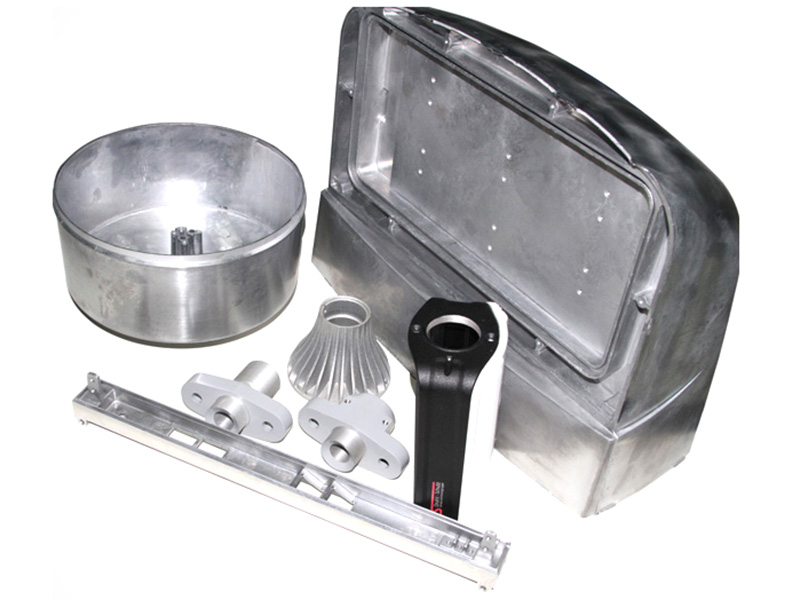
Aluminium Die components are integral to industries like automotive, aerospace, electronics, and telecommunications. Their lightweight nature and high strength make them ideal for engine parts, heat sinks, housings, and structural components. In automotive, they enhance fuel efficiency; in electronics, they provide thermal management. Our precision die casting ensures parts meet exact specifications, supporting high-performance applications across global markets.
Surface Treatment Options
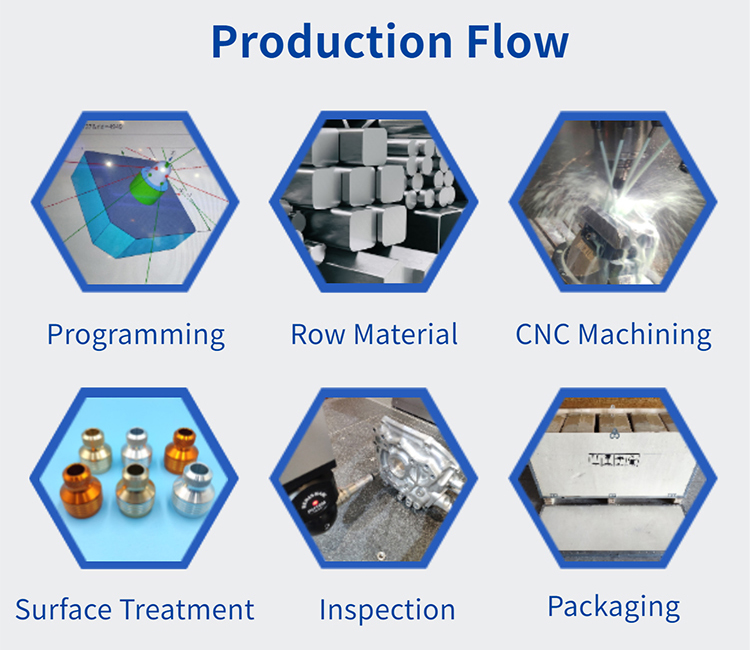
To enhance durability and aesthetics, we offer various surface treatments for Aluminium Die parts, including powder coating, anodizing, electroplating, and polishing. These treatments improve corrosion resistance, wear resistance, and visual appeal. Anodizing provides a protective oxide layer, while powder coating offers vibrant finishes. Our tailored surface solutions meet specific client requirements, ensuring parts perform reliably in demanding environments.
Team Expertise
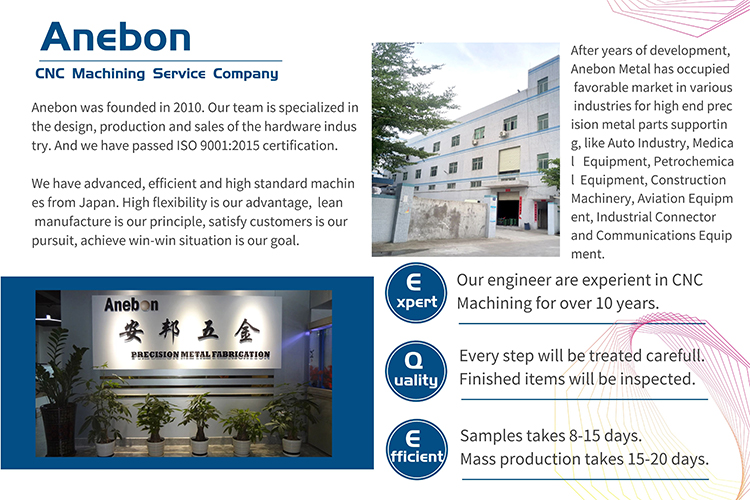
ANEBON’s team comprises experienced engineers, technicians, and quality specialists dedicated to delivering superior Aluminium Die products. Our collaborative approach ensures seamless project management, from design to delivery. With expertise in die casting and OEM manufacturing, our team provides innovative solutions, addressing complex client needs. Continuous training and a customer-centric focus enable us to exceed expectations, fostering long-term partnerships with global manufacturers.
Quality Assurance
Our ISO9001 certification underscores our commitment to quality. We implement stringent quality control at every stage, from material selection to final inspection. Advanced testing equipment, including CMM and spectrometers, ensures dimensional accuracy and material integrity. Each Aluminium Die part undergoes rigorous checks to meet industry standards, guaranteeing reliability and performance for OEM clients worldwide.
Packaging and Logistics
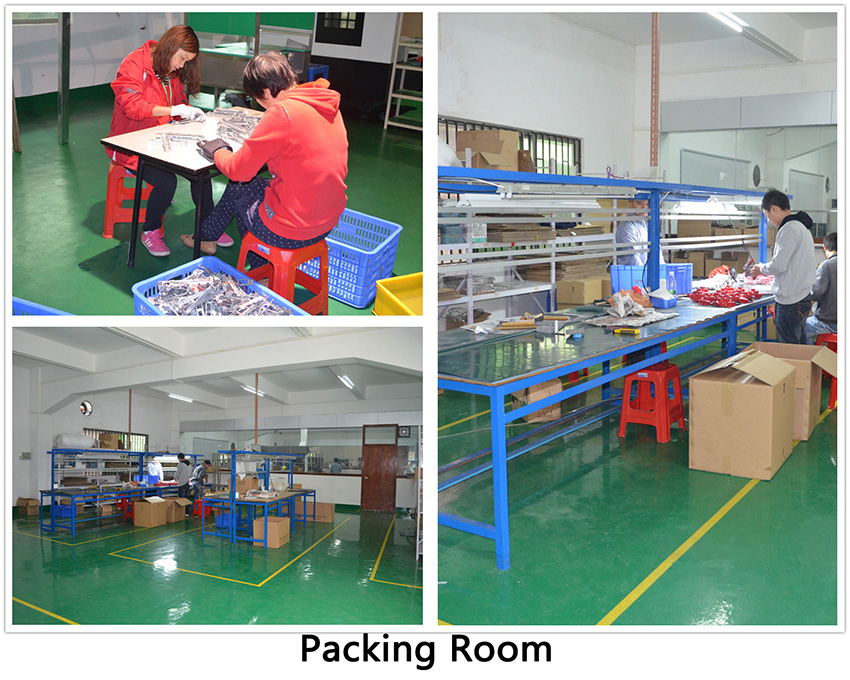
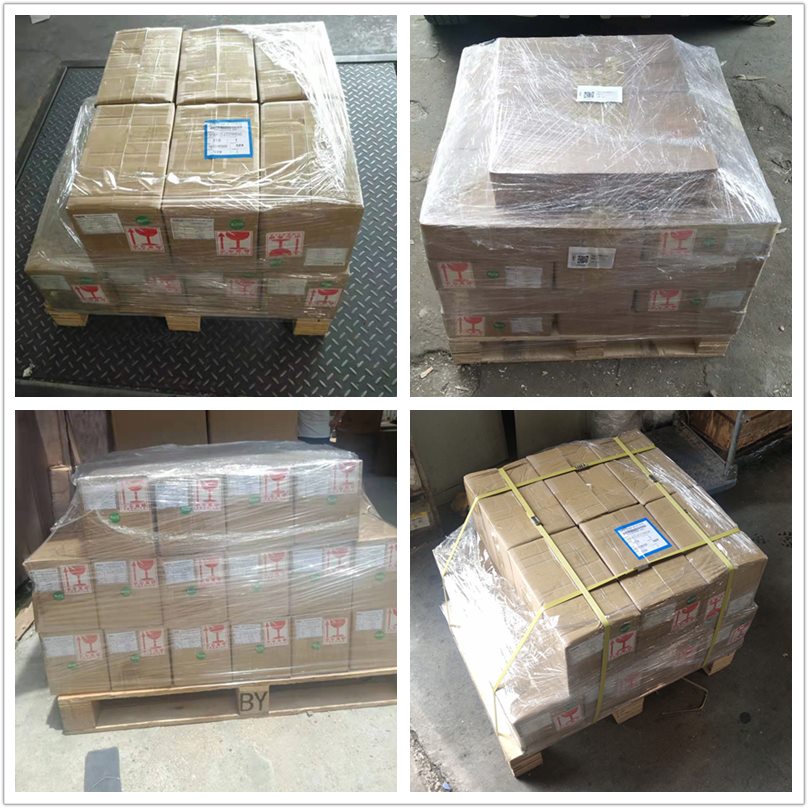
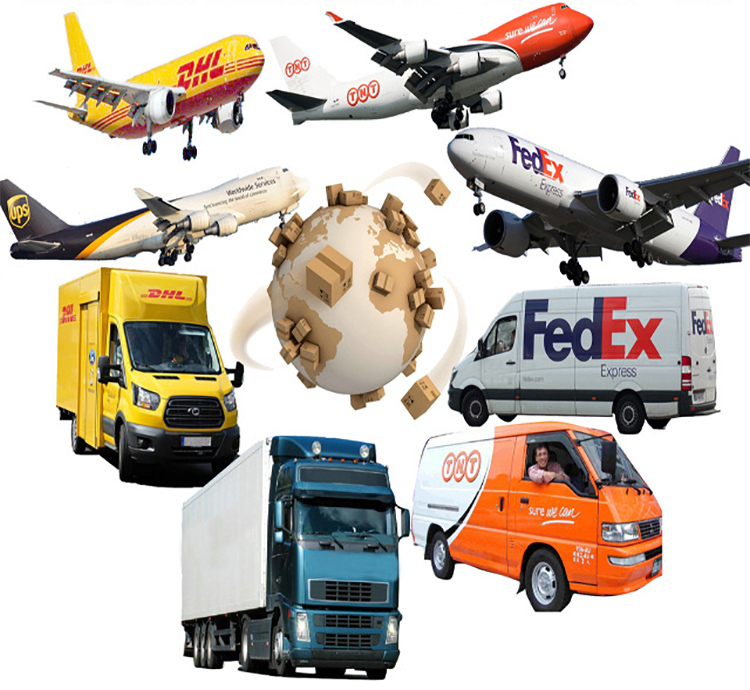
We prioritize secure packaging and efficient logistics to ensure safe delivery of Aluminium Die parts. Our custom packaging solutions protect components during transit, minimizing damage risks. With a global logistics network, we offer flexible shipping options, including air, sea, and express services, ensuring timely delivery. Our streamlined processes reduce lead times, providing cost-effective solutions for international clients.
FAQ
Q1: What applications commonly use aluminium dies?
Aluminium dies are widely used in die casting, extrusion, stamping, and forging, especially where lightweight and thermal conductivity are crucial.
Q2: How does aluminium die improve production efficiency?
Due to excellent heat dissipation and wear resistance, aluminium dies reduce cycle time and maintain consistent product quality.
Q3: What are the main advantages of using aluminium die over steel die?
Aluminium dies are lighter, offer faster cooling, and are more cost-effective, ideal for high-volume or prototype production.
Q4: Can aluminium dies handle high-pressure casting processes?
Yes, aluminium dies withstand moderate pressures; however, they are best suited for low to medium pressure casting due to material properties.
Q5: How should aluminium dies be maintained for longevity?
Regular cleaning, proper lubrication, and avoiding excessive mechanical stress help maintain aluminium die performance and extend lifespan.
Other Die Casting Products
Beyond Aluminium Die, we offer zinc and magnesium die casting, catering to diverse industry needs. Zinc die castings provide excellent surface finish for decorative parts, while magnesium offers superior strength-to-weight ratios for aerospace applications. Our comprehensive die casting services include prototyping, mold making, and secondary machining, ensuring versatile solutions for OEM clients seeking high-quality, cost-efficient components.


.jpg)
.jpg)
1.jpg)