Milling process
What is Milling process
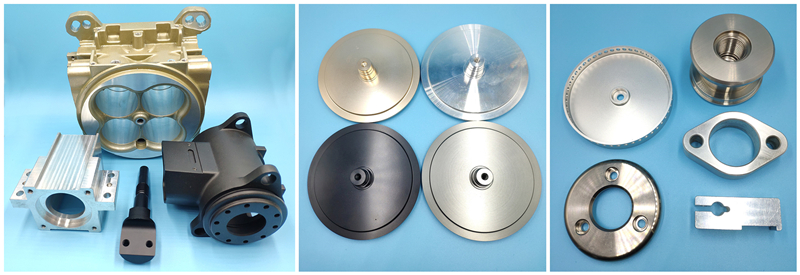
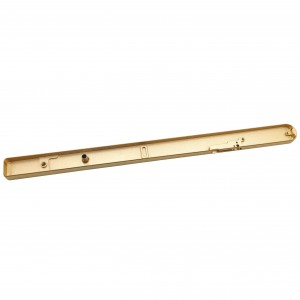
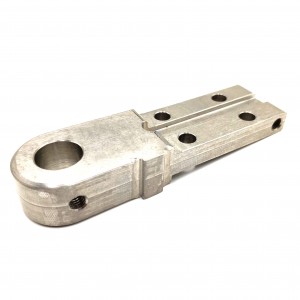
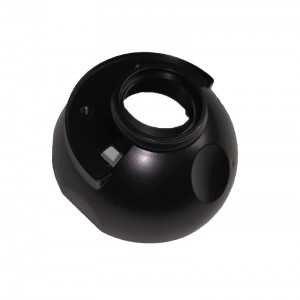
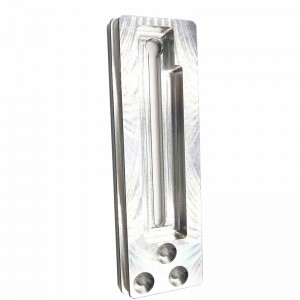
Milling process is a machining method that uses rotary cutters to remove material from a workpiece. It is widely used in manufacturing to create precise shapes, slots, and holes in metals or plastics. The process supports various products like automotive parts, aerospace components, and custom tools, meeting diverse customer needs for accuracy and efficiency.
Advanced CNC Milling Capabilities
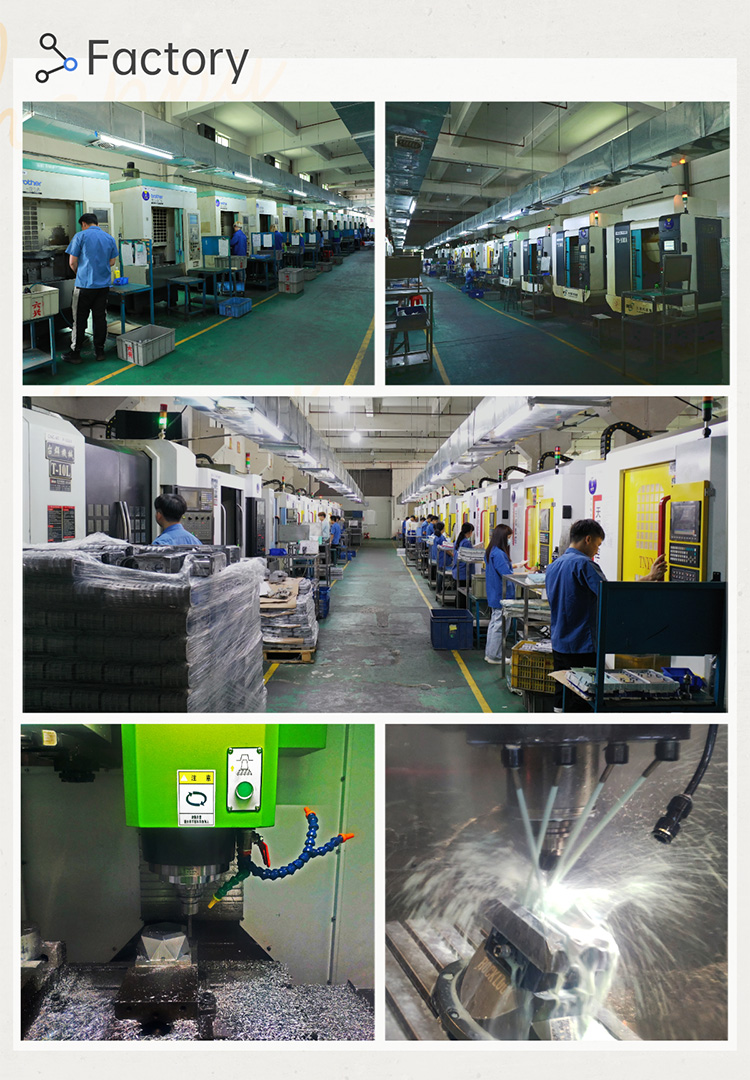
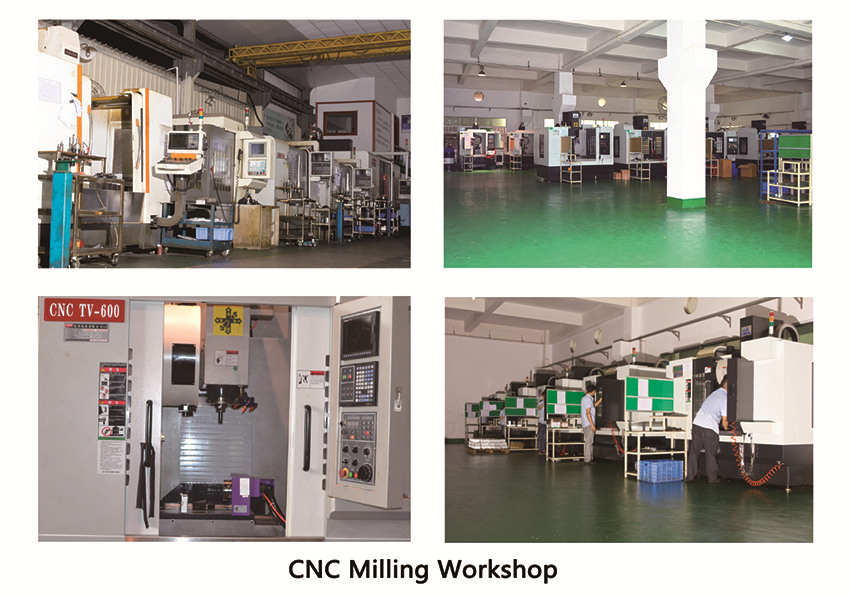
Our factory is equipped with state-of-the-art CNC milling machinery capable of processing a wide range of materials such as aluminum, stainless steel, steel alloys, and plastics. We maintain rigorous control over machining parameters like spindle speed, feed rate, and tool paths through sophisticated CAM software, ensuring optimal cutting performance and part accuracy
Surface Treatment
To enhance the durability and aesthetics of milled components, we offer a comprehensive suite of surface treatments, including:
-
Anodizing for aluminum parts to improve corrosion resistance and surface hardness
-
Polishing for stainless steel components to achieve a smooth, reflective finish
-
Sandblasting as a preparatory step for anodizing
-
Electroplating and vacuum plating for metal and plastic parts to provide protective and decorative coatings
-
Powder coating and hot galvanizing for enhanced anti-corrosion properties in harsh environments
-
Custom painting and screen printing for branding and identification purposes
Materials and Composition Analysis
We carefully select raw materials that comply with international standards such as RoHS and ISO to ensure quality and environmental compliance. Our material portfolio includes high-grade aluminum alloys, stainless steel grades, carbon steels, and engineering plastics, each with detailed chemical composition analysis to guarantee mechanical properties and machinability. This meticulous material control supports the production of parts that meet stringent industry requirements
Applications
Our CNC milling parts serve critical roles across multiple industries, including:
-
Automotive: Engine components, brackets, and custom fixtures requiring high strength and precision
-
Aerospace: Complex structural parts and assemblies with tight tolerances and lightweight materials
-
Electronics: Precision housings, connectors, and heat sinks with fine detail
-
Medical devices: Surgical instruments and implants requiring biocompatibility and accuracy
-
Industrial machinery: Custom tooling, jigs, and machine parts designed for durability and performance
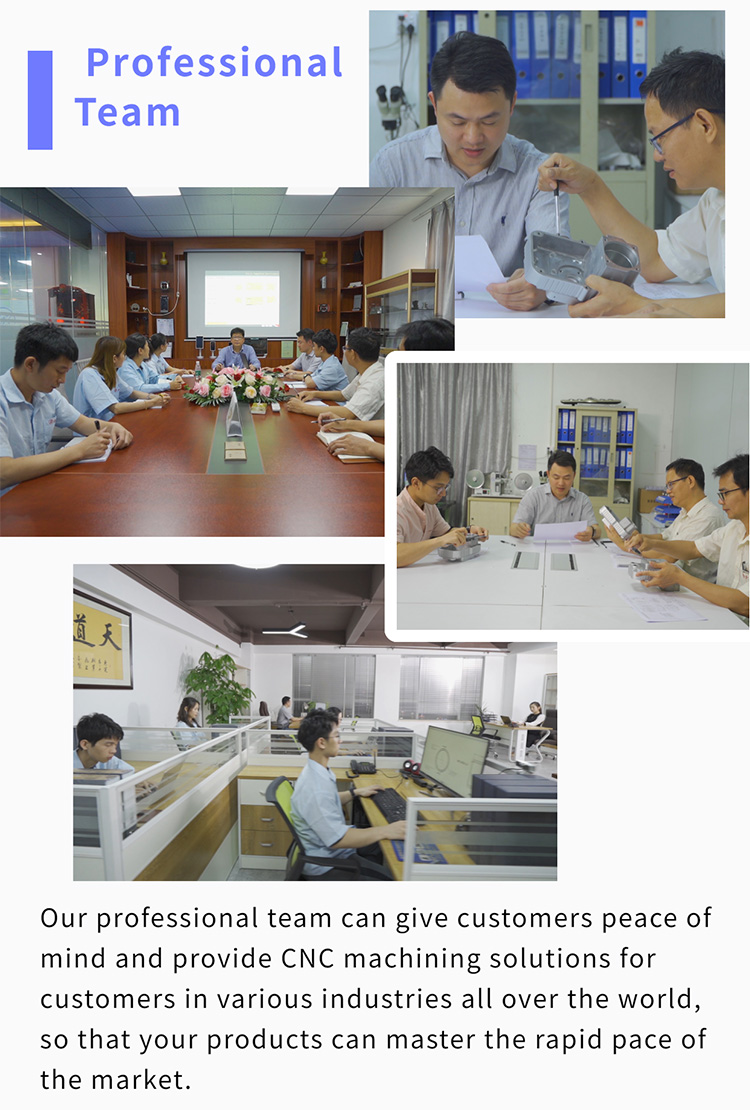
ANEBON’s strength lies in our dedicated team of skilled engineers, machinists, and quality control specialists who collaborate closely to deliver superior CNC milling solutions. Our team leverages extensive industry experience and continuous training to stay at the forefront of manufacturing technology and quality standards.
Quality Assurance
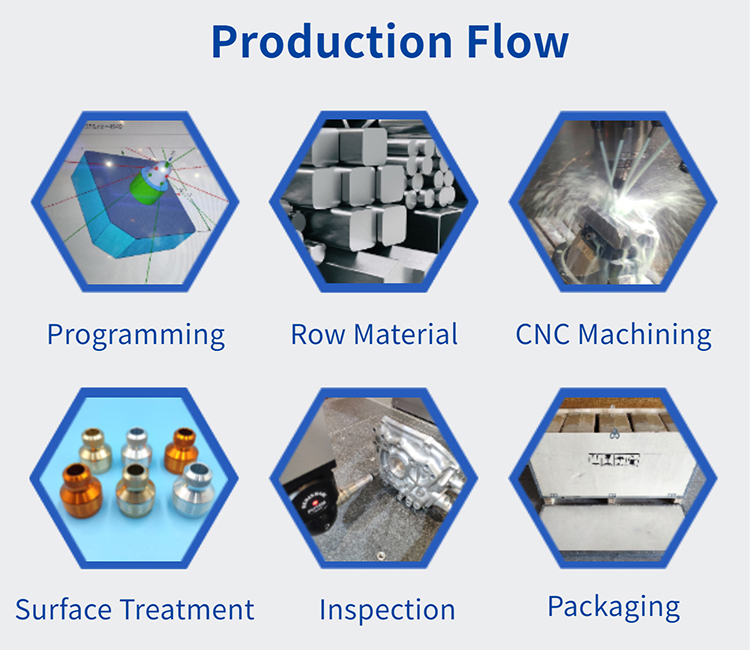
We implement a stringent quality management system certified by ISO9001, ensuring every part undergoes thorough inspection from raw material receipt to final packaging. Our quality assurance processes include dimensional checks, surface finish verification, and tolerance audits using advanced measuring instruments. This commitment guarantees consistent product excellence and customer satisfaction
Packaging and Logistics
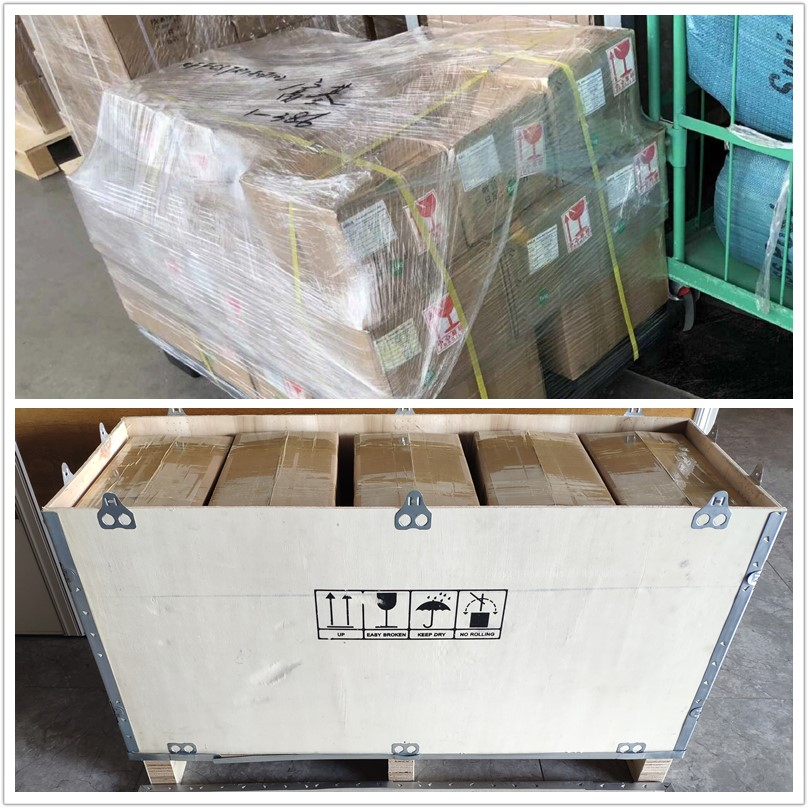
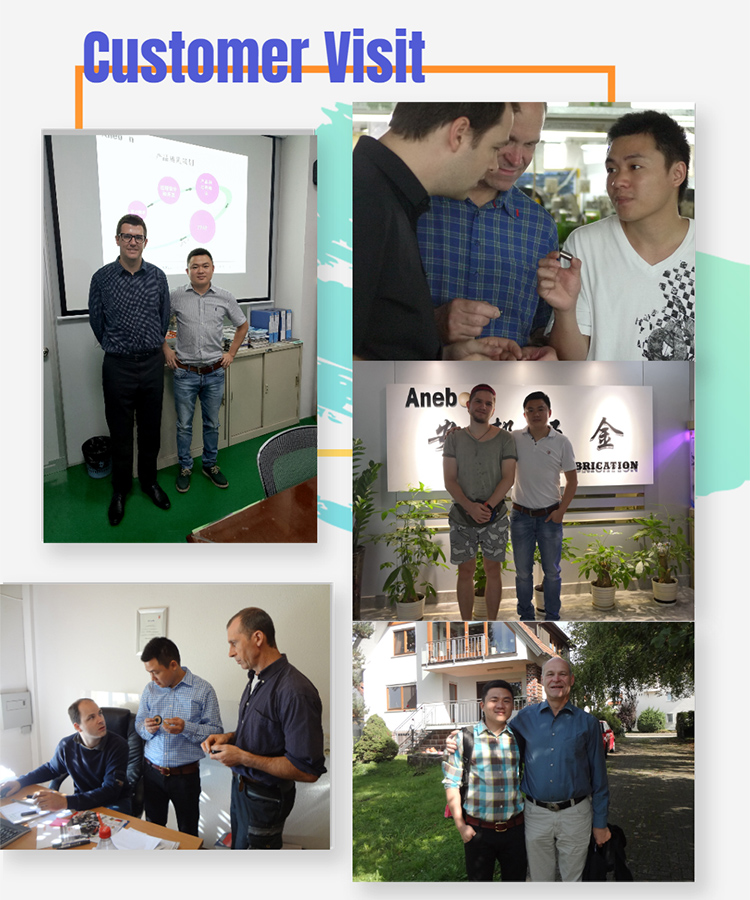
Understanding the importance of safe and timely delivery, ANEBON employs robust packaging solutions tailored to the nature of each CNC milled part. Protective materials, custom crates, and anti-corrosion packaging ensure parts arrive in pristine condition. Our logistics network is optimized for international shipping, offering reliable and efficient transport options to meet diverse client requirements worldwide
FAQ
Q1: What materials can be milled using the milling process?
A1: The milling process can machine metals such as steel, aluminum, and titanium, as well as plastics and composites.
Q2: How does the milling process improve product precision?
A2: Milling machines use precise rotary cutters that follow programmed paths, ensuring high accuracy and repeatability.
Q3: What types of milling are commonly used in manufacturing?
A3: Common types include face milling, peripheral milling, and CNC milling, each suited for different product shapes and finishes.
Q4: Can milling be used for both prototyping and mass production?
A4: Yes, milling is versatile and can efficiently produce both one-off prototypes and large production runs.
Q5: How can milling meet my product’s unique specifications?
A5: Customizable tooling and CNC control allow milling to adapt to complex designs and tight tolerances, satisfying specific client requirements.
Other Product Display
Beyond standard milling parts, ANEBON offers a broad range of CNC machined components, including:
-
Custom prototypes and small batch production parts
-
Precision turned components complementing milled parts
-
Complex multi-axis machined assemblies
-
Specialized tooling and fixtures for manufacturing processes
-
Components with custom surface finishes and coatings tailored to specific applications


.jpg)
.jpg)
1.jpg)